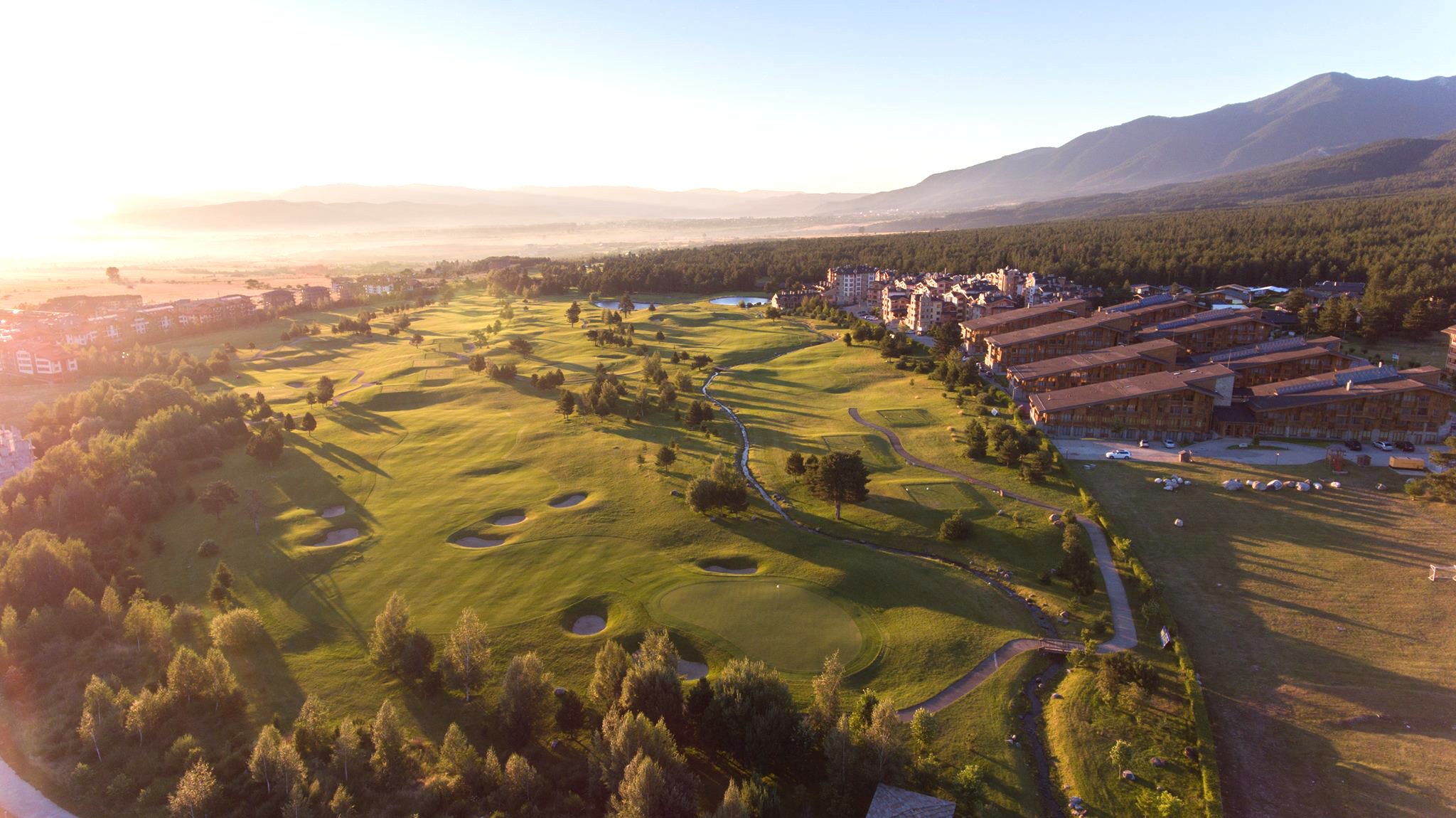
Spain consistently ranks among Europe's most-played golf destinations, with Real Club Valderrama, Real Club de Golf Sotogrande, El Saler, Camiral (Stadium) and Finca Cortesin appearing across independent rankings as the country's most-celebrated courses. The practical first decision for any group is not which single course to play, but which region of Spain fits your group's standard, budget and travel window.
Spain's Golf Regions Compared: Where Should You Play?
The Costa del Sol / Andalusia corridor is Spain's densest and best-established golf region, offering the widest choice of resort courses within short transfer distances of Málaga Airport. When planning Andalusian golf breaks, region choice drives cost tier, season length, transfer time and how many quality courses sit near one base — so it pays to match the corridor to your group before comparing individual venues.
| Region |
Best for |
Course style emphasis |
Season note |
| Costa del Sol |
Mixed-ability groups, variety |
High density of resort courses — La Cala, Finca Cortesin, Los Naranjos, Santa Clara, Torrequebrada, Valle Romano |
Long season; summer heat management needed |
| Sotogrande / Cádiz coast |
Purists chasing marquee names |
Elite cluster within short transfer distances — Real Club Valderrama, Real Club de Golf Sotogrande, San Roque, Almenara, La Reserva, Costa Ballena |
Peak demand in spring and autumn |
| Catalonia / Costa Brava |
City-plus-golf combos via Barcelona |
Championship parkland and resort courses — Camiral (Stadium) |
Year-round playable; summer can be hot |
| Valencia |
El Saler as the region's flagship |
Links-style and parkland mix |
Mild winters; good shoulder seasons |
| Murcia / La Manga |
Multi-course resort convenience |
Resort complexes with 36+ holes on site — La Manga Club, Ona Mar Menor |
Year-round appeal; hot summers |
| Mallorca |
Compact island with short transfers |
Clifftop and inland resort courses — Alcanada |
Long season; busy in summer |
| Canary Islands / Tenerife |
Winter sun and year-round play |
Volcanic coastal courses — Abama Golf, Golf del Sur |
Year-round appeal; mild winters |
The southern corridor around Málaga and Marbella suits mixed-ability society groups who want maximum choice and minimal travel between rounds, making golfing in Marbella a popular choice for those seeking variety. Sotogrande and the Cádiz coast serve golfers who want the marquee names, with Valderrama, Real Club de Golf Sotogrande, San Roque, Almenara, La Reserva and Costa Ballena clustered within easy reach of one base. Catalonia's Camiral (Stadium) anchors a different trip style, pairing championship golf with a Barcelona city break. Valencia's El Saler, Murcia's La Manga Club and Ona Mar Menor, Mallorca's Alcanada, and Tenerife's Abama Golf and Golf del Sur each give a distinct regional identity and atmosphere.
For UK groups, the practical difference between these regions is transfer reality as much as course quality: Málaga and Alicante airports put the Costa del Sol and Murcia within a short drive of multiple courses, while the islands trade total course count for compact, low-friction logistics. If you are looking at the Cádiz coast, exploring Costa de la Luz options offers a distinctive coastal experience. Parador golf stays — playing courses attached to Spain's state-run heritage hotels — offer a distinctive, culture-led alternative to standard resort golf in several regions.
Choose your region first, then build the course shortlist around that base. Matching the region to your group's ability, budget and preferred season resolves most planning conflicts before you compare individual courses.
The Best Golf Courses in Spain
This shortlist is curated around trip fit and playability, not copied from any published ranking, and reflects how a specialist operator would match courses to a group's standard and itinerary. When choosing a full-service Spanish golf resort, each of these eight venues is validated across multiple independent rankings, which makes them reliable shortlist candidates — but the deciding factor should always be how well the course fits your group's trip structure.
Sotogrande / Cádiz Coast
Real Club Valderrama — the benchmark against which Spanish parkland golf is measured, and a must-play for serious golfers. The course rewards accuracy over power, and the conditioning is consistently exceptional.
Real Club de Golf Sotogrande — a more playable alternative to Valderrama in the same elite corridor, with a classic parkland layout that suits mid-handicappers and low-handicappers alike.
San Roque Club — two courses within one club, giving groups flexibility. The Old Course is the headline act, with a layout that holds its own alongside its more famous neighbours.
Costa del Sol
Finca Cortesin — a modern resort course with genuine championship pedigree, located between Marbella and Sotogrande. Generous off the tee but demanding around the greens, it works well for groups with mixed abilities.
La Cala — Europe's largest golf resort with three 18-hole courses. The variety across the three layouts makes it a reliable base for society weeks where no two rounds feel the same.
Valencia
El Saler — Spain's most celebrated links-style course, set within a protected natural reserve. It is exposed, windswept and genuinely challenging, best suited to stronger players who want a pure test rather than a resort round.
Catalonia
Camiral Resort (Stadium) — the former Spanish Open venue and the region's standout layout. A modern, demanding parkland test that pairs naturally with a Barcelona-based golf break.
Murcia
La Manga Club — three championship courses on one site, making it one of Europe's most convenient group destinations. The South and North courses are the most popular, and staying on-site removes transfer time almost entirely.
Access reality: visiting golfers can generally book all of these venues, but booking windows, lead times and any visitor requirements vary by club and season. The famous names need planning ahead, particularly for weekend and peak-season tee times. This coordination is precisely where a specialist operator earns its keep.
Why best-of lists disagree: panel and architectural rankings tend to surface prestige names like Valderrama, because they judge design pedigree and historical significance. Visitor-review rankings lead with playability and enjoyment, which is why a course like Torrequebrada can outrank the famous clubs on TripAdvisor. Both approaches are useful: use rankings to build a shortlist, but judge the final choice on how well the course fits your group's standard and trip structure. Reputation and current conditioning can also drift between ranking cycles, so treat any published list as a snapshot rather than a permanent verdict.
Is It Expensive to Play Golf in Spain? What Actually Drives the Cost
Spanish golf spans premium marquee venues and genuinely good-value resort corridors, so cost depends on region, season, course tier and how you book, not on a single headline price.
The main cost drivers for a Spain golf trip are:
- Region: marquee corridors like Sotogrande command higher green fees than value corridors such as Murcia or parts of the Costa del Sol.
- Season: peak demand windows carry premium pricing, while shoulder-season tee times can drop significantly.
- Course tier: a bucket-list round at Valderrama or Finca Cortesin costs multiples of a quality but less-celebrated resort course.
- Buggy and inclusion variables: buggy hire, shared versus single buggies, and whether a package includes them changes the comparison.
- Day and time of the tee slot: early morning and weekend slots carry premiums at in-demand venues.
- Package bundling: accommodation, golf and transfers priced together often changes the overall trip maths.
Published green fees are rarely the whole picture for a group trip. A package quote typically absorbs accommodation, golf and transfers into one figure, which is why comparing a single published green fee against a package headline without checking inclusions is a common mistake. When you coordinate a multi-course week for a group, the bundled price is usually the more accurate comparison.
For an accurate figure for your dates and group size, request a tailored quote rather than relying on published rates, which rarely reflect what a group organiser actually pays per person.
Is Golf Cheaper in Spain or Portugal? An Honest Comparison
Both Spain and Portugal offer premium and value tiers, so "cheaper" depends on region, dates and course mix rather than country.
Spain's advantages are course density, particularly across the southern corridor from Málaga to Cádiz, and season length, with the southern coast and the Canary Islands extending serious winter play. Portugal's Algarve offers a more compact golf coast with short transfers and strong resort infrastructure, but a smaller total course selection than Spain's Andalusian corridor. The Algarve's courses concentrate along a single coastline, which can simplify logistics, whereas Spain's depth across multiple regions gives more variety in style and atmosphere.
The better question is not which country is cheaper, but which region and course mix fits your budget and dates. For those looking beyond the Iberian Peninsula, comparing these to the championship courses in Turkey can reveal different value propositions. We can price both for your dates, so you can compare like-for-like before committing.
Course Pairing and Itinerary Logic: How to Structure Your Golf Trip
Clustering courses within one corridor around a single base beats scattering marquee rounds across the country, because transfers, not tee times, are what wear a group out.
For a typical society week, plan for one round per day with a rest or transfer day built in on longer trips. Group size changes what is bookable: larger groups may need multiple tee times across adjacent slots, which is easier to secure in high-density corridors. The pairing logic that works most often is one bucket-list round combined with two or three strong value rounds in the same corridor, which keeps the itinerary varied without multiplying transfer time. A four-round week with one marquee venue and three solid resort courses usually delivers the best balance of highlight and pace.
Common mistakes that undermine otherwise good trips are leaving marquee tee times too late, which forces itinerary compromises, and over-stuffing a week with distant courses when a clustered route would be more relaxed.
Illustrative week skeleton (not a fixed product):
- Choose your region (for example, Costa del Sol or Sotogrande / Cádiz)
- Choose a base that minimises transfer times to your shortlisted courses
- Book one marquee round (for example, Valderrama or Finca Cortesin)
- Fill the rest with strong value rounds in the same corridor
- Build in one rest or transfer day on a 5+ round week
Planning checklist for a Spain golf trip:
- Choose your region based on group standard, budget and season.
- Choose your travel window and check peak versus shoulder demand.
- Shortlist courses within one corridor.
- Choose a base that minimises daily transfers.
- Secure tee times at in-demand venues first.
- Request a tailored quote for accommodation, golf and transfers.
When Is the Best Time of Year to Play Golf in Spain?
Much of Spain is playable year-round, but price, availability and conditioning shift sharply between peak and shoulder windows.
Peak demand (spring and autumn): the most popular windows for UK golfers, with the best balance of temperatures and course conditions. Expect premium pricing and the least flexibility on tee times at marquee venues.
Shoulder season (early spring and late autumn): the value sweet spot, with lower prices and easier availability while conditions remain good. Course conditioning is generally solid, though autumn overseeding can affect some venues.
Summer (June to September): the hottest window, particularly in the south. Expect harder, faster conditions and cheaper rates. Sensible tee-time timing, early mornings, makes summer play more comfortable. The northern regions and higher inland courses stay more temperate when the southern coast peaks in heat.
Winter (December to February): the southern coast and the Canary Islands extend genuine winter play, but mainland courses outside the south can be wet and less reliable. Availability at southern venues carries a premium because demand is concentrated there.
Booking windows at in-demand venues need earlier commitment for peak winter and spring dates. A common mistake is assuming low-season prices apply year-round; winter sun on the southern coast is a premium product in its own right. The Canary Islands in particular offer a genuine 12-month season, which is why they suit groups whose preferred window falls outside the mainland's peak months.
What Golf Holidays Direct Coordinates for Your Spain Golf Trip
A specialist operator's job is to remove the coordination burden, sourcing tee times at in-demand venues, matching accommodation to the chosen corridor, arranging transfers and handling the group admin. We can arrange coordinated Spain golf packages that take the stress out of the planning process.
What we coordinate:
- Itinerary shaping based on your group's standard and priorities
- Tee-time sourcing at in-demand venues, including marquee clubs
- Accommodation matched to your chosen courses and base
- Airport and course-to-hotel transfers
- Group admin, including the quote process and payment staging
Simple one-base trips can work as DIY arrangements. Packages earn their keep for multi-course itineraries, peak-season tee times where lead times are tight, and any group of 6 or more where logistics multiply quickly. Single-base trips with one or two courses are the sensible DIY scenario; the moment your week involves three or more venues, multiple transfers or a marquee tee time, the coordination value of a specialist becomes clear.
Transparent quoting means you know what is included versus what is extra before you commit. Tell us your region, dates and group size, and we will shape a tailored itinerary and price it clearly.
Frequently Asked Questions
Which part of Spain has the most golf courses?
The Costa del Sol / Andalusia corridor has the highest concentration of golf courses in Spain, centred around Málaga, Marbella and the surrounding resort towns. It also has the widest mix of course styles and price tiers, which is why it suits the broadest range of groups.
What are the nicest golf courses in Spain?
Real Club Valderrama, Real Club de Golf Sotogrande, El Saler, Camiral (Stadium) and Finca Cortesin are the most consistently celebrated courses in Spain. The right choice depends on your group's ability and trip structure, not just reputation. A marquee round pairs best with strong value courses in the same region.
Is it expensive to play golf in Spain?
Spanish golf spans premium marquee venues and good-value resort corridors, so costs vary widely. The main drivers are region, season, course tier, buggy inclusion and how you book. A tailored package quote for your dates and group size is the only accurate way to compare costs.
Can you play golf in Spain all year round?
Yes, much of Spain is playable all year, but the experience changes by season. Winter play is most reliable on the southern coast and the Canary Islands, while summer heat in the south demands early tee times. Spring and autumn offer the best all-round conditions across the mainland.
How many golf courses can you realistically play in a week?
Most groups comfortably play 4 to 6 rounds in a week when courses are clustered around a single base. One round per day with a rest or transfer day built in keeps the trip enjoyable. Scattering courses across regions reduces how many rounds you can reasonably fit.
Can visiting golfers book famous courses like Valderrama?
Yes, visiting golfers can generally book the famous Real Club venues, but access, booking windows and visitor requirements vary by club and season. Lead times matter, particularly for weekends and peak season. A specialist operator manages this booking friction as part of the package.
What's included in a Spain golf holiday package?
A typical package includes accommodation, pre-booked tee times, and arranged transfers between airport, hotel and courses. What is included varies by quote, so the operator should make the inclusions explicit before you commit. That transparency is the difference between a package and a DIY trip.
Plan Your Golf Trip to Spain with Golf Holidays Direct
Request a tailored Spain golf itinerary and quote, and we will price the trip based on your actual requirements. Tell us your preferred region, dates and group size, and our specialists will shape a course schedule that fits your standard and pace, secure the tee times, and match accommodation and transfers to the itinerary. Quoting is tailored and transparent, with what is included made explicit before you book. Start with a region and we will handle the rest.