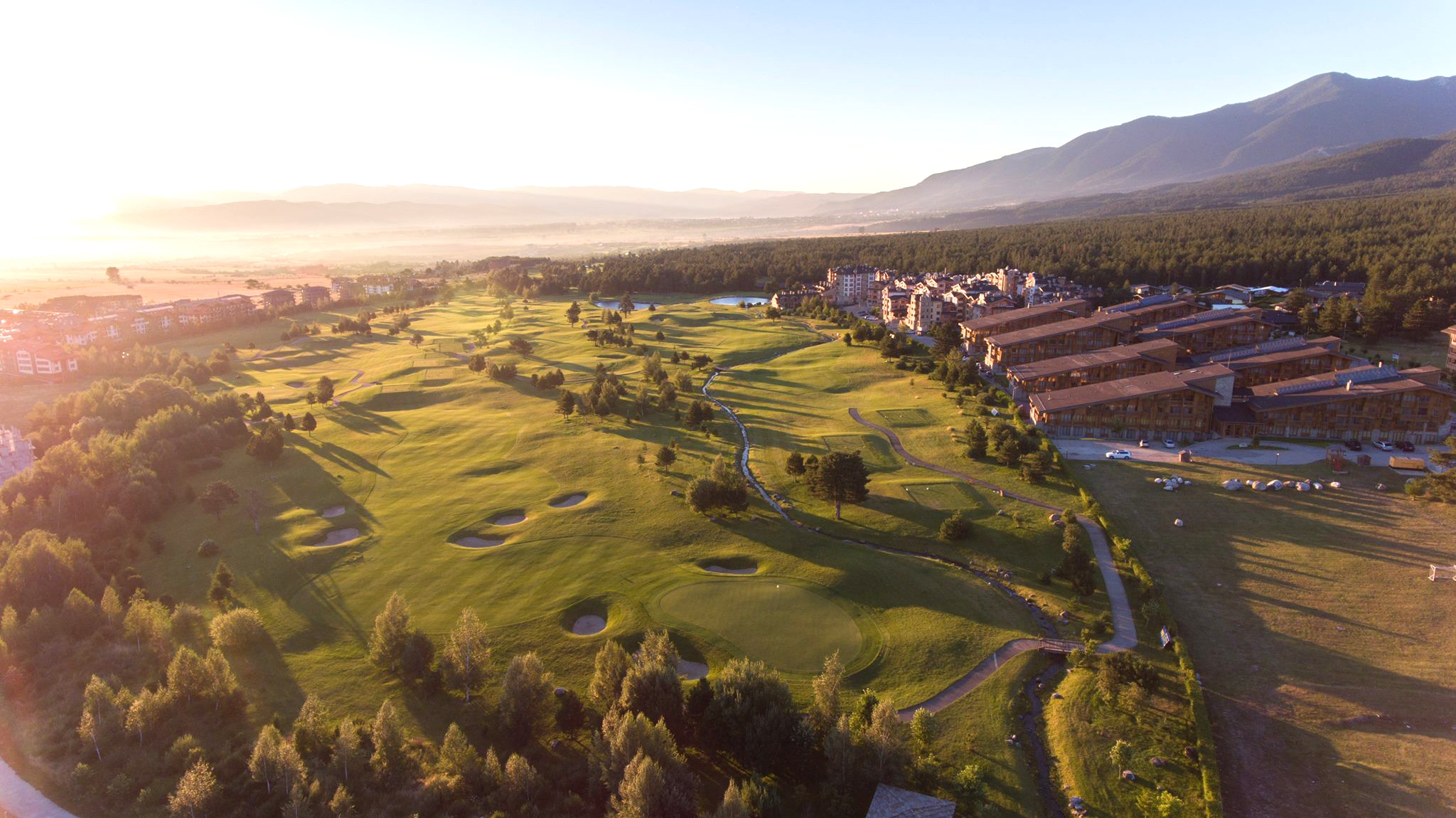
Turkey stands alongside the established names in European golf, and for serious players it delivers championship standard courses without compromise. Its reputation is not built on marketing but on pedigree that low-handicappers and club golfers alike will recognise the moment they walk the first tee.
What separates Turkey from a scattering of one-off courses is that its golf strength is concentrated in a single high-density cluster rather than spread thinly across the country. This is why the standard stays consistently high instead of hit-and-miss: the leading courses sit close together, were built to the same era of ambition, and compete directly on quality. The result is a destination where you can play a run of different courses and expect a genuine championship test each time, rather than one flagship layout propped up by weaker neighbours.
- Courses shaped by internationally recognised designers, including Colin Montgomerie and the European Golf Design team.
- Layouts built and maintained to European PGA standards.
- A track record of hosting international tournaments, drawing tour-level players and scrutiny.
- A tight concentration of world-renowned courses, so quality is the rule rather than the exception.
The sections below identify the standout courses, where they cluster, how to read the cost, and how to plan a trip that actually works for your group.
Where Is the Best Place to Play Golf in Turkey?
Belek, on the Mediterranean coast within the Antalya region, is the heartland of golf in Turkey. If you are building a shortlist, this is where to focus almost all of your attention, because the overwhelming majority of the country's top courses sit within this one stretch of coastline.
Antalya is the wider province and the point of arrival, but the golf itself lives in Belek. The practical consequence of that clustering is the part competitors tend to leave buried:
- Multiple championship courses sit within short driving distance of each other, so you are not committing to a single course, you are choosing a base surrounded by options.
- Short transfers between courses make a multi-round, multi-course itinerary genuinely easy rather than a logistical strain.
- A single 5-star resort base can put a week of varied golf within reach without changing hotels.
- Because the courses compete for the same visitors, standards stay high across the cluster, so a shortlist built here is unlikely to contain a weak link.
For anyone planning a golf holiday rather than a single round, this density is the reason Belek works so well: the decision becomes which courses to play, not how far apart they are.
The Best Golf Courses in Turkey (and Who Each One Suits)
The courses below are grouped by style and setting so you can match them to your group's ability and taste, not just their reputation. The "best for" column is the decision layer most directories skip: two great courses can suit completely different golfers.
Bold, dramatic and big-hitting
| Course |
Style / setting |
Best for |
| Carya Golf Club |
Heathland-inspired, distinctive lighting and framing, known for floodlit twilight play |
Golfers who want a striking, atmospheric course with real character; strong ball-strikers |
| Montgomerie Maxx Royal |
Championship parkland shaped by Colin Montgomerie, with strategic bunkering and water in play |
Low handicappers and groups chasing a genuine tour-standard test |
| Sueno (Dunes) |
Open, links-influenced layout with movement and space |
Big-hitters who enjoy width off the tee and a bolder line of play |
Classic parkland and championship tests
| Course |
Style / setting |
Best for |
| Antalya Golf Club (PGA Sultan / Pasha) |
Two contrasting parkland courses; Sultan the sterner championship test, Pasha the more forgiving and playable |
Mixed-ability groups who want a hard course and an easier one on one site |
| Cornelia Golf Club (Prince) |
Mature parkland with water and strategic shaping, part of a wider 27-hole complex |
Golfers who prefer thinking their way round over brute power |
| Gloria (Old / New) |
Established parkland with tree-lined corridors and a third short course on site |
All-round groups wanting reliable, enjoyable championship golf |
| Kaya Palazzo Golf Club |
Parkland layout with resort-side convenience |
Groups prioritising course-to-hotel ease alongside a solid test |
Scenic, coastal and variety of test
| Course |
Style / setting |
Best for |
| The National Golf Club (Irmak & Tuna) |
Established parkland set by river and greenery; one of the region's earliest championship venues |
Groups wanting two complementary courses and a settled, classic feel |
| Lykia Links Golf Club |
True links-style coastal course, more exposed to wind and set apart from the main Belek core |
Golfers craving a links experience and first-timers drawn to sea views, with allowance for a tougher day in the breeze |
If your group spans a wide range of handicaps, lean towards sites with two courses of differing difficulty, such as Antalya Golf Club or The National, so everyone gets a fair round. If the priority is a scenic, memorable day for less frequent players, Lykia Links delivers on views, but pick a calmer forecast, since its exposed links character punishes wayward shots when the wind gets up. For the serious end of the ability scale, Montgomerie Maxx Royal and Carya are the courses that hold up to real scrutiny. Big-hitters who enjoy opening the shoulders will get most from Sueno's width, while more precise, strategic players tend to favour Cornelia's Prince.
How Much Does Golf in Turkey Cost?
The most useful thing to understand first is that comparing Turkey on green fee alone is misleading. Most Belek golf trips run on an all-inclusive resort model, which folds accommodation, food, drinks and transfers into one figure, so the fair comparison is total trip cost rather than the price of a single round.
What actually drives the number you pay:
- Green fees for the specific courses you choose, which vary by course pedigree and season, with the flagship layouts sitting at the top of the range.
- Package inclusions, since all-inclusive hotels absorb meals, many soft and alcoholic drinks, airport transfers and course shuttles into the headline price.
- Number of rounds, which you can scale from a single round upward depending on how golf-focused the trip is.
- Group size, with discounts often available for larger parties.
- Season, since peak shoulder-season demand in spring and autumn tends to carry higher rates than quieter periods.
As editorial guidance, Turkey generally offers strong value against Western European golf destinations once you account for what is bundled in: a like-for-like week in parts of Portugal or Spain often looks cheaper on green fee but climbs once meals, drinks and transfers are added separately. For current green fees and package pricing, check the live listings, as these move with course and season.
Turkey vs Portugal and Spain: Why Choose Turkey?
Portugal and Spain are the destinations most golfers weigh Turkey against, and all three deliver serious courses in reliable climates. The real difference is not course quality in isolation, but how the trip is structured and what your money covers.
| Factor |
Turkey (Belek) |
Portugal / Spain |
| Course concentration |
Very tight cluster in one region |
More dispersed across regions and resorts |
| Typical trip model |
5-star all-inclusive resort base |
Often flexible, pay-as-you-go dining and separate elements |
| Value read |
Strong on total trip cost |
Competitive, but more variable once extras are added |
| Convenience |
Short transfers, most needs bundled |
Can require more self-coordination |
| Designer pedigree |
Concentrated cluster of championship names |
High, but spread across many separate resorts |
The deciding factor for most groups is the experience, not just the scorecard. Turkey's clustering of 5-star all-inclusive resorts means drinks, meals, transfers and multiple top courses come as one arranged package, which is a fundamentally different trip from the more dispersed, pay-as-you-go pattern common in parts of Portugal and Spain. In practice, that keeps the day-to-day spend predictable and the daily logistics minimal, since almost everything sits inside one booking. If you value convenience and predictable total spend, Turkey has the edge; if you want to hop between distinct regions, the alternatives may suit you better.
Planning a Golf Trip to Turkey: Season, Transfers and Mixed Groups
The Belek region is at its best in the shoulder seasons of spring and autumn, when temperatures are comfortable for walking 18 holes and the courses are in strong condition. High summer is playable but hot, so early tee times matter, while the mild winters keep the region open when courses further north in Europe are closed. That extended playing calendar is part of why Belek suits shoulder-season golfers who want quality conditions without peak heat.
The tight Belek cluster is what makes a genuine multi-course trip straightforward. Because the leading courses sit close together, you can sequence several rounds across different courses in one trip with only short transfers between them, and course shuttles handle the movement from resort to first tee.
- Fly into Antalya airport, the natural gateway for the region, with arranged airport transfers removing the arrival admin.
- Base yourself at one resort and play out from it, rather than moving hotels mid-trip.
- Plan the round count to suit the group, from a single round up to a course a day.
- Sequence tougher courses for fresher legs early in the trip and lighter tests later.
- Book tee times in advance for the flagship courses, which fill fastest in spring and autumn.
The same clustering that suits keen golfers also makes mixed groups easy. Belek's 5-star resorts are built for parties that include non-golfers, so while some of the group plays, others have the resort, and short transfers mean golfers are never away for long. For a mixed-ability group, choosing a base near sites with both a harder and an easier course, such as Antalya Golf Club with its Sultan and Pasha layouts, keeps everyone playing golf they enjoy on the same day out.
Frequently Asked Questions
Is Turkey good for golfing?
Yes, Turkey is a genuinely serious golf destination, with courses shaped by designers such as Colin Montgomerie and built to European PGA standards. The leading courses cluster in Belek, so quality is consistent rather than hit-and-miss, and the region has hosted international tournaments that put its courses under tour-level scrutiny. For serious players, it stands comfortably alongside the established European destinations.
Where is the best place to play golf in Turkey?
Belek, on the Mediterranean coast in the Antalya region, is the clear heartland of Turkish golf. The overwhelming majority of top courses sit within this one cluster. That concentration is also why it is the easiest region to plan a multi-course trip around, with short transfers between courses.
How expensive is golf in Turkey?
Turkey is generally good value against Western European golf destinations, especially once the all-inclusive model is factored in. Compare total trip cost rather than green fees alone, since packages usually bundle accommodation, meals, drinks and transfers. Larger groups can often secure discounts. Check the live listings for current pricing, as green fees vary by course and season.
What is the best time of year to play golf in Turkey?
Spring and autumn are ideal, offering comfortable temperatures and courses in strong condition. High summer is playable but hot, so early tee times help. Mild winters also keep Belek open when much of European golf has closed.
Can you play several golf courses on one trip to Turkey?
Yes, and Belek is built for it, because the top courses sit close together with only short transfers between them. You can base yourself at one resort and play a different course each day. Course shuttles and arranged transfers handle the logistics, so a course-a-day itinerary is realistic rather than exhausting.
Can non-golfers or mixed-ability groups join a golf trip to Turkey?
Yes, Belek's 5-star resorts suit parties that include non-golfers and a wide spread of abilities. Non-golfers have the resort while others play, and short transfers keep golfers close by. For mixed abilities, choosing a base near both a harder and an easier course, such as Antalya Golf Club's Sultan and Pasha, keeps everyone happy.